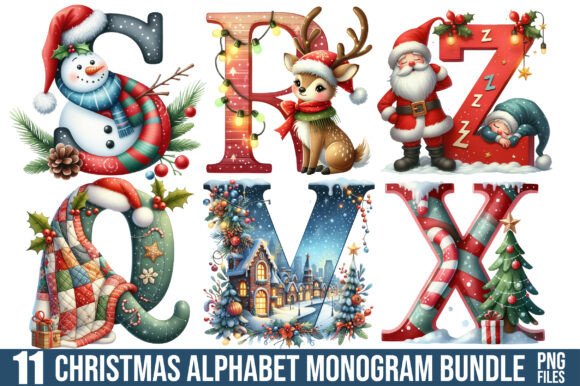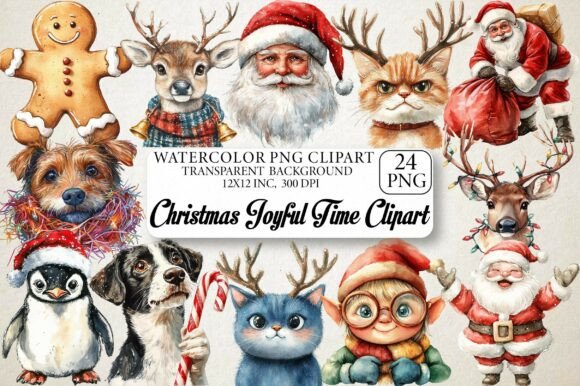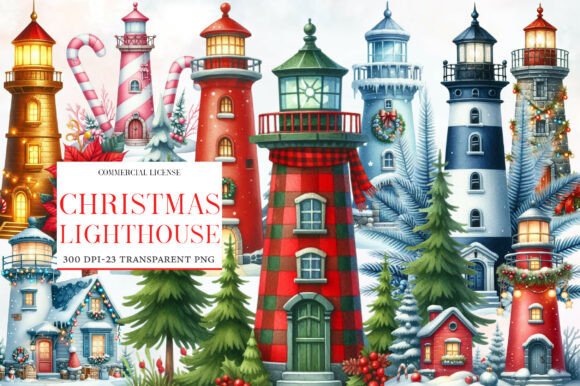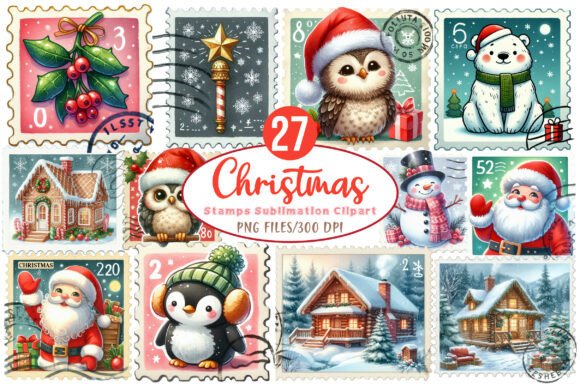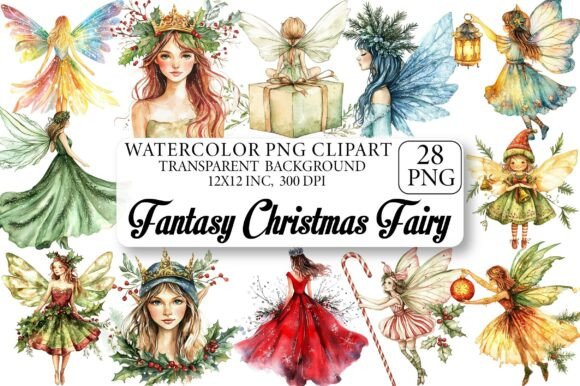
Fantasy Christmas Fairy Clipart: Editorial Illustrations
As a digital publisher who has spent over a decade refining the visual identity of high-traffic blogs and content platforms, I have learned that the difference between a bounce and a conversion often comes down to milliseconds of visual processing. When I first loaded the Fantasy Christmas Fairy Clipart into my design workspace, my immediate reaction was not just about aesthetics; it was about utility. In the crowded landscape of holiday content, where every affiliate marketer and lifestyle blogger is vying for attention, you need assets that do more than just fill space. You need graphic design assets that communicate mood, establish trust, and guide the reader’s eye with intention.
This collection of Illustrations strikes a delicate balance. It avoids the cheap, clip-art feel of early internet graphics while steering clear of the overly corporate sterility that can alienate readers seeking warmth and connection during the holiday season. The style is distinctly whimsical yet polished, creating an editorial mood that feels both nostalgic and modern. For publishers in the lifestyle, parenting, DIY, or creative entrepreneurship niches, this asset signals a specific brand personality: approachable, magical, and detail-oriented. It tells your audience that you care about the experience of reading your content, not just the information itself.
Integrating Whimsy into Real Publishing Workflows
The true test of any digital download is not how it looks in isolation, but how it performs within a live publishing workflow. I immediately began testing these fairy illustrations across various touchpoints of a standard content strategy. The versatility here is impressive. For blog featured images, the intricate details of the fairy wings and the soft, glowing color palette provide a stunning backdrop for headline text. Unlike busy photographs that compete with typography, these Illustrations offer natural negative space, allowing for cleaner visual hierarchy.
In terms of content marketing, these assets are gold for Pinterest strategies. A well-designed Pinterest pin requires vertical orientation, high contrast, and an element of intrigue. The fantasy theme naturally stops the scroll in a feed dominated by minimalist flat lays. I found that placing these fairies alongside bold, sans-serif headlines created a compelling juxtaposition that drove higher click-through rates. Furthermore, for newsletter creators, using these graphics in header banners or as section dividers adds a layer of premium production value that subscribers subconsciously associate with quality.
Beyond social media, consider the utility for digital products. If you are creating a digital guide, a holiday planner, or a set of printable worksheets, these elements elevate the perceived value of the product. They transform a simple PDF into a cohesive printable design that feels like a keepsake. For those building Canva templates for resale or client work, incorporating these licensed elements allows you to offer unique, non-generic designs that stand out in the creative marketplace.
Enhancing Brand Identity and Reader Trust
Consistency is the cornerstone of small business branding. When you use a distinct style of blog graphics across your website, social channels, and email campaigns, you build recognition. The Fantasy Christmas Fairy Clipart supports this by providing a consistent visual language. Whether used in a website header or as an accent in a long-form article, the artistic style reinforces your brand identity. Readers begin to associate that specific whimsical aesthetic with your voice and expertise.
This consistency fosters trust. In affiliate marketing, where you are asking readers to make purchasing decisions based on your recommendations, professional presentation is non-negotiable. Sloppy or mismatched visuals can undermine your authority. By using high-quality, cohesive design assets, you signal professionalism. The fairy illustrations, with their refined lines and balanced composition, contribute to a polished look that suggests you are a serious publisher, even when the topic is playful or seasonal.
Strategic Placement and Visual Performance
Where should you place these assets for maximum impact? I recommend using them as hero images for category pages dedicated to holiday gifts, winter activities, or festive recipes. They work exceptionally well as editorial accents—small icons or borders that break up long blocks of text, improving readability and keeping the reader engaged. For social media graphics, they serve as excellent focal points in Instagram carousels or Facebook ads, drawing the eye to the central message.
However, caution is required in certain contexts. These illustrations are detailed and decorative. Using them on small mobile thumbnails can result in a loss of clarity, where the fairy becomes a blur rather than a feature. Avoid placing them against low-contrast backgrounds or busy patterns, as this diminishes their impact. Additionally, if your niche is strictly corporate, financial, or hard-news journalism, this whimsical style may clash with the serious tone required. Always align your visual choices with your audience’s expectations.
Practical Publisher Notes for Implementation
Before deploying any new commercial design asset, I run through a strict quality assurance checklist. First, test the files on both desktop and mobile screens. Check how the illustration looks when scaled down to a thumbnail size; if it loses its charm, reserve it for larger formats like blog headers or lead magnet covers. Second, preview the asset inside your actual blog layout. Does it harmonize with your existing color scheme? You may need to adjust saturation or brightness to ensure seamless integration.
Typography pairing is crucial. I experimented with various font styles alongside the fairy clipart. Serif fonts added a classic, storybook feel, while modern sans-serifs created a contemporary contrast. Script and handwritten fonts enhanced the magical, personal touch, but be careful not to let the fonts compete with the intricate details of the illustration. Display fonts can work for short headlines but should be used sparingly.
Finally, technical performance matters. Review file sizes to ensure they do not slow down your page load times, which is critical for SEO and user experience. Compress images properly without sacrificing quality. Most importantly, confirm the commercial license terms. Ensure you are compliant when using these assets on monetized websites, affiliate pages, or in paid content products. Proper licensing protects your business and respects the creator’s work, allowing you to use these beautiful Illustrations with confidence and integrity.
In conclusion, the Fantasy Christmas Fairy Clipart is more than just a decorative addition; it is a strategic tool for enhancing web design and editorial design. When used thoughtfully, it elevates your content, strengthens your brand, and engages your audience in a meaningful way. For bloggers and publishers looking to add a touch of magic to their holiday content strategy, this asset delivers both aesthetic appeal and functional versatility.